

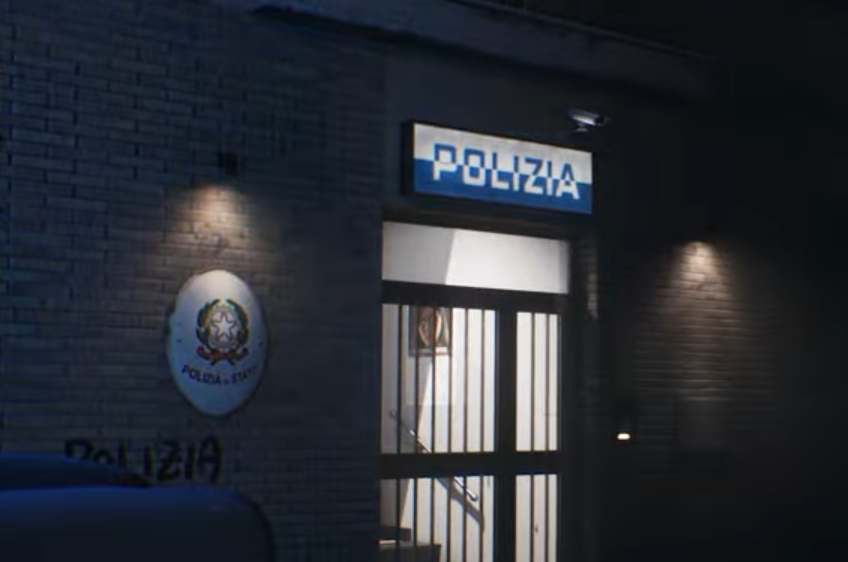
The high-octane adrenaline of a “Code 3” response is what makes the headlines. It’s the blaring sirens, the flashing lights, and the frantic race against the clock that define the public perception of first responders. But at BizNooz, we’re interested in the infrastructure behind the heroics.
If Act I is the chaos of the call, Act II is The Station. It is the silent engine of the emergency services industry—a place where the physical, mental, and operational gears reset for the next crisis.
The Architecture of Readiness
A modern fire or EMS station is no longer just a garage with some bunk beds. It is a sophisticated logistical hub designed for zero-friction deployment. In the business of saving lives, seconds are the primary currency, and the “Station Phase” is where those seconds are earned.
- Bay Management: The integration of smart-door technology and exhaust removal systems ensures that the transition from “sleep” to “street” is seamless and safe.
- Inventory Precision: Act II is defined by the meticulous restocking of Life Support (ALS) kits. A station’s efficiency is measured by its ability to turn over a rig and have it “In Service” within minutes of returning from a scene.
- Decontamination Zones: Post-COVID and in an era of heightened carcinogen awareness, the “Hot Zone” transition within the station is the most critical new development in facility design.
The Human Capital: The Quiet Hours
When the sirens fall silent, the focus shifts to the most expensive and volatile asset in the building: the personnel. The station serves as a paradoxical space—it must be both a high-alert tactical centre and a sanctuary for recovery. Industry leaders are increasingly investing in “Tactical Recovery” environments. This includes:
“The station is the only place where the ‘always-on’ culture of emergency services meets the biological necessity of downtime. If the station fails to provide rest, the next response fails to provide safety.”
- Mental Health Infrastructure: Peer support rooms and quiet zones are becoming standard, moving away from the “tough it out” culture of the 90s.
- Continuous Training: Act II is characterised by the hum of the classroom. Whether it’s a simulated mass-casualty drill or a review of new pharmacological protocols, the station is a perpetual laboratory.
The Business of the “Between”
From an operational standpoint, the time spent at the station is where preventative maintenance saves municipal budgets millions.
| Optimises staffing levels based on call volume trends | Business Impact | Key Metric |
| Apparatus Maintenance | Extends vehicle lifespan by 15-20% | Fleet Uptime |
| Data Entry & PCRs | Ensures billing accuracy and legal compliance | Chart Completion Time |
| Resource Allocation | Optimizes staffing levels based on call volume trends | Unit Hour Utilization (UHU) |
The Bottom Line
We often focus on the “save,” but the save is merely the end product of the hours spent behind the bay doors. Act II: The Station is where the discipline is forged, the equipment is honed, and the minds are mended.
In the world of emergency services, silence isn’t empty. It’s preparation.
Stay tuned for Act III: The Aftermath, where we dive into the long-term data and community impact of the response cycle.
Find out more here – https://s.team/a/2600920
#WhenSirensFallSilent #TheStationDebuts #WiredProductions #LKA #GalaxiesSpringShowcase #psychological #horror #games #gaming #gamers
Leave a Reply